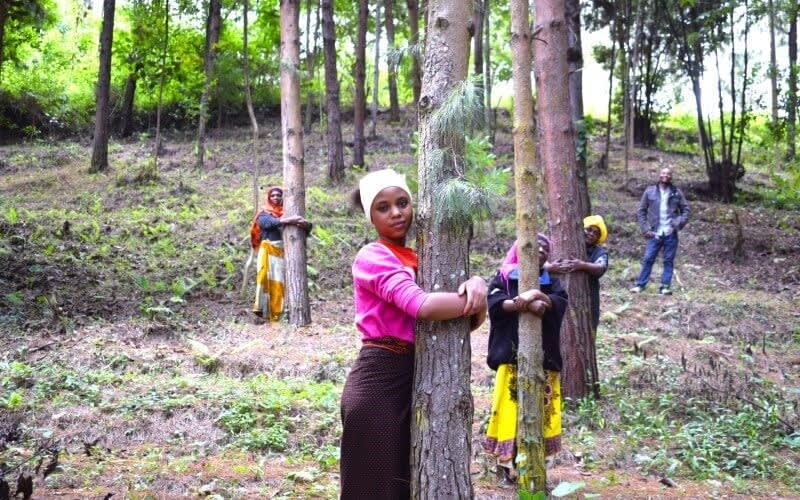

In today’s fast-paced world, raising environmentally conscious children has become more crucial than ever. As the planet grapples with climate change and dwindling resources, parents have a unique opportunity to shape the next generation of eco-friendly citizens. Engaging children in sustainable practices from a young age not only helps protect the environment but also instills a lifelong sense of responsibility and respect for the Earth.
The key to fostering environmental awareness in children lies in nurturing their curiosity and providing them with the tools to understand and act upon their surroundings. By learning to appreciate nature and its delicate balance, children can develop a strong sense of responsibility that will influence their choices throughout life.
As you embark on this journey of cultivating eco-friendly habits in your child, this comprehensive guide will provide you with advice and valuable tips. Read on to learn how to inspire your little ones to become active participants in preserving our planet for future generations.
Establishing a Green Foundation: Early Environmental Education
Introducing environmental concepts to children at a young age helps establish a strong foundation for their eco-conscious development. Start by incorporating age-appropriate lessons about the environment into their daily routine, such as explaining the importance of recycling, energy conservation, and water preservation. Use engaging resources like the best books on climate change, educational videos, and interactive games that teach them about the Earth and its ecosystems.
Another effective way to advance your child’s environmental education is through hands-on activities. For instance, you can create opportunities for your child to plant seeds or care for a garden, enabling them to experience the cycle of growth firsthand. This will deepen their understanding of nature and foster a sense of pride and ownership in their efforts to protect it.
Nature Appreciation: Encouraging Outdoor Exploration
Spending time outdoors is essential for cultivating a genuine appreciation for nature in your child. Plan regular family outings to natural spaces such as parks, forests, or beaches, allowing your little ones to explore and connect with the environment. Encourage them to observe the plants, animals, and natural phenomena around them, igniting their curiosity and wonder.
Additionally, consider enrolling your child in nature-based programs or camps that provide immersive experiences in varied ecosystems. These programs often offer guided exploration and structured activities that enhance children’s understanding of the environment while fostering an enduring love for our planet. Find out whether your kid’s school offers summer camps or simply google the area where you live and add keywords such as “nature summer camp.”
Eco-Friendly Activities: Making Conservation Fun
Transforming conservation efforts into enjoyable experiences can significantly impact your child’s interest in protecting the environment. Engage your little ones in eco-friendly activities such as crafting with recycled materials, participating in neighborhood clean-ups, or creating backyard insect hotels to support local biodiversity.
You can also make environmentalism part of your family traditions by celebrating Earth Day with special activities like tree planting, organizing an eco-themed party, or taking your children on a short and easy hike. By making conservation fun and accessible, you encourage your child to embrace sustainable practices as a lifelong commitment.
Responsible Consumption: Teaching Kids about Waste Reduction
Educate your children on the impact of consumerism on our planet and empower them to make responsible choices. Discuss the concept of “reduce, reuse, recycle” and involve them in activities like sorting recyclable materials or repurposing household items. Teach them the value of quality over quantity and encourage them to donate or swap items they no longer need.
When shopping, involve your child in selecting eco-friendly products and packaging, reinforcing the importance of making sustainable choices. You can also visit thrift shops in your area or shop for used goods online on platforms such as eBay or Craigslist.
By instilling a mindful approach to consumption early on, you foster responsible habits that will benefit both the environment and your child’s future.
Green Living at Home: Instilling Sustainable Habits
Creating an eco-conscious household can play a significant role in shaping your child’s environmental values. Implement energy-saving practices such as turning off lights when not in use, using energy-efficient appliances, and conserving water by fixing leaks promptly. Encourage your child to participate in these efforts, helping them understand their role in preserving resources.
Additionally, integrate green habits into daily routines like mealtime by choosing locally-sourced ingredients, opting for reusable containers, and composting food waste. By consistently modeling sustainable living at home, you reinforce its importance and normalize eco-friendly behaviors.
The Power of Role Modeling: Demonstrating Eco-Conscious Choices
Children frequently observe and imitate their parents’ actions as they learn and develop their own values. As such, it is vital for parents to seize this opportunity and consistently display a genuine commitment to the environment through mindful decisions and eco-friendly behaviors.
For instance, you may share your experience participating in a community clean-up event or describe the benefits of switching to reusable shopping bags. Engaging in meaningful conversations with your child about these topics can help them better understand the rationale behind your choices, fostering a deeper connection to environmental causes.
When your actions align with your words, you create an authentic and influential example for your child to emulate. This consistency not only reinforces the importance of eco-conscious living but also inspires trust and credibility in your child’s eyes.
Community Involvement: Inspiring Global Citizenship
Encourage your child to become an active participant in their community’s environmental efforts. Participate in local initiatives like beach clean-ups or wildlife conservation projects as a family, fostering a sense of collective responsibility and global citizenship.
Expose your child to diverse cultures, experiences, and perspectives through travel or cultural exchange programs. This will help them develop a broader understanding of the world and the interconnectedness of environmental issues across different regions.
Nurturing the Environmentally Conscious Child: Ongoing Support and Resources
As your child gets older, it is essential to maintain and expand their environmental consciousness by consistently offering up-to-date resources and diverse learning experiences. Keep abreast of the latest environmental news, breakthroughs, and challenges, and initiate open discussions with your child about these issues.
In addition to formal education, expose your child to various perspectives and approaches to environmentalism through documentaries, books, podcasts, and other media sources. Encourage them to ask questions, express their opinions, and reflect on potential solutions to the problems faced by our planet.
Supporting your child’s interaction with like-minded individuals can also significantly bolster their commitment to environmental conservation. Explore opportunities for them to join local eco-clubs, youth organizations, or online communities focused on sustainability.
In Conclusion
Raising an environmentally conscious child in today’s world is an incredibly important task. As a parent, your role in nurturing your child’s curiosity, love for nature, and understanding of sustainable practices is invaluable.
By exposing them to environmental education, hands-on experiences, and eco-friendly activities, you lay the groundwork for a lifelong commitment to protecting our planet. Supporting responsible consumption, green living at home, and community involvement also contribute to the development of responsible, environmentally-aware citizens.
Remember, role modeling is crucial, and your consistency in demonstrating eco-conscious choices will leave a lasting impact on your child. Keep the conversation going and provide ongoing support as they grow, ensuring they are well-equipped to make a difference for future generations.